Blog
Universal Article/Blog/News module
Miyawaki Forest
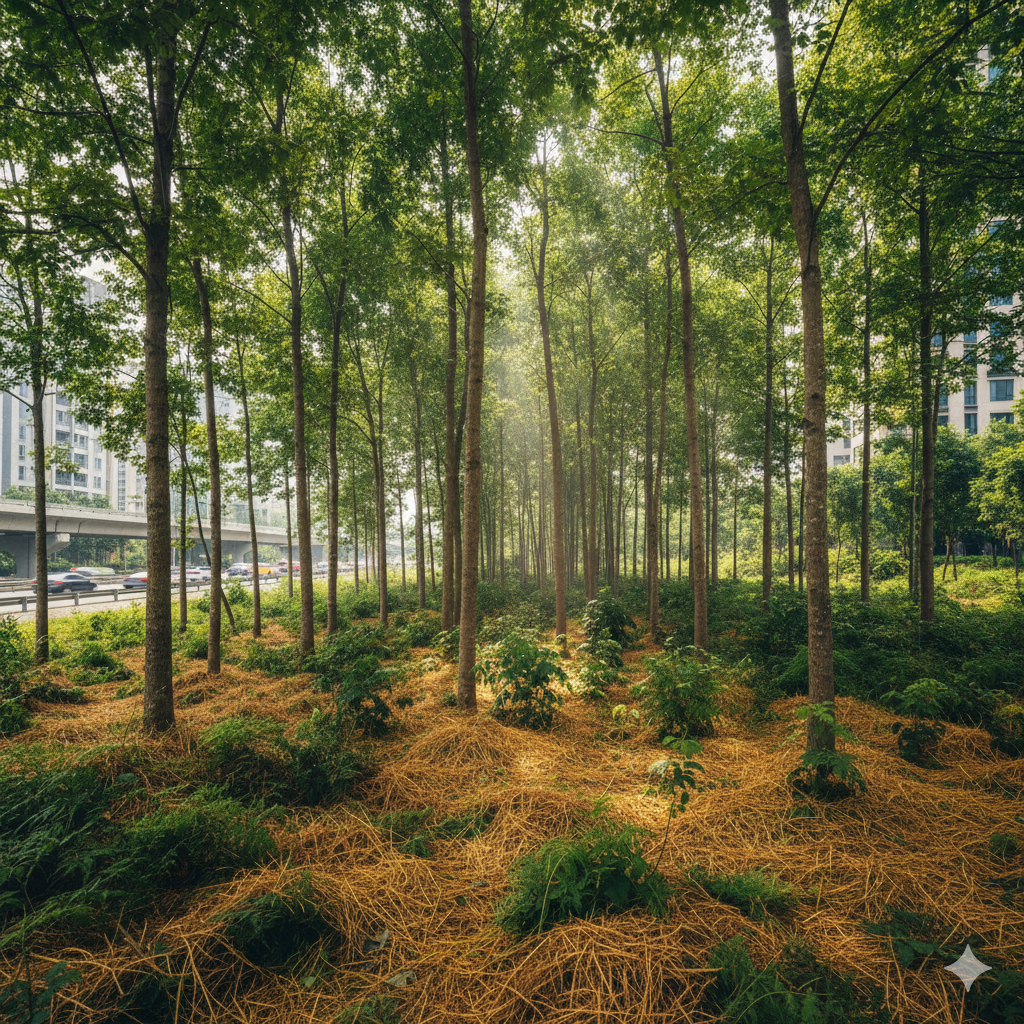
The Miyawaki Method: Growing a 100-Year-Old Forest
In an era of rapid urbanization, the "concrete jungle" often feels like it's winning. But a revolutionary reforestation technique is turning the tide, one tiny plot at a time. Enter the Miyawaki Method—a system that allows us to grow dense, native forests 10 times faster and 30 times denser than traditional plantations.
What is a Miyawaki Forest?
Developed by late Japanese botanist Dr. Akira Miyawaki, this method isn't just about planting trees; it’s about restoring an ecosystem. Unlike standard "row-and-column" tree planting, the Miyawaki method mimics how a forest would naturally grow if humans weren't there.
By identifying the Potential Natural Vegetation (PNV)—the species that belong in a specific region—and planting them in a multi-layered system (shrubs, sub-trees, trees, and canopy), we create a "mini-forest" that becomes self-sufficient in just three years.
Why the World is Falling in Love with "Tiny Forests"
Miyawaki forests are specifically designed for urban spaces. You don't need a sprawling estate; you can start with a patch as small as a few parking spaces.
- Rapid Growth: Trees compete for sunlight in dense clusters, growing upward at a staggering rate of up to 1 meter per year.
- Biodiversity Bombs: These forests support up to 20 times more biodiversity than monoculture plantations, attracting birds, bees, and local wildlife almost immediately.
- Climate Warriors: Because of their density, they sequester significantly more carbon and can lower local temperatures by 2°C or more, helping to combat the "urban heat island" effect.
- Natural Barriers: They act as incredible sound and dust buffers, making them perfect for schools, hospitals, and residential complexes.
The 5 Steps to Creating
- Soil Amending: Most urban soil is compacted. The method requires digging deep and mixing in organic matter (like compost, rice husks, or coco-peat) to make it soft and nutrient-rich.
- Native Species Selection: You only plant what belongs there. Research your local "climax" species to ensure the forest is resilient.
- High-Density Planting: Plant 3 to 5 saplings per square meter. The goal is "randomness"—no straight lines!
- Mulching: A thick layer of straw or dry leaves protects the soil, retains moisture, and prevents weeds.
- Monitoring: Water and weed the area for the first 2–3 years. After that, the canopy closes, and the forest takes care of itself.
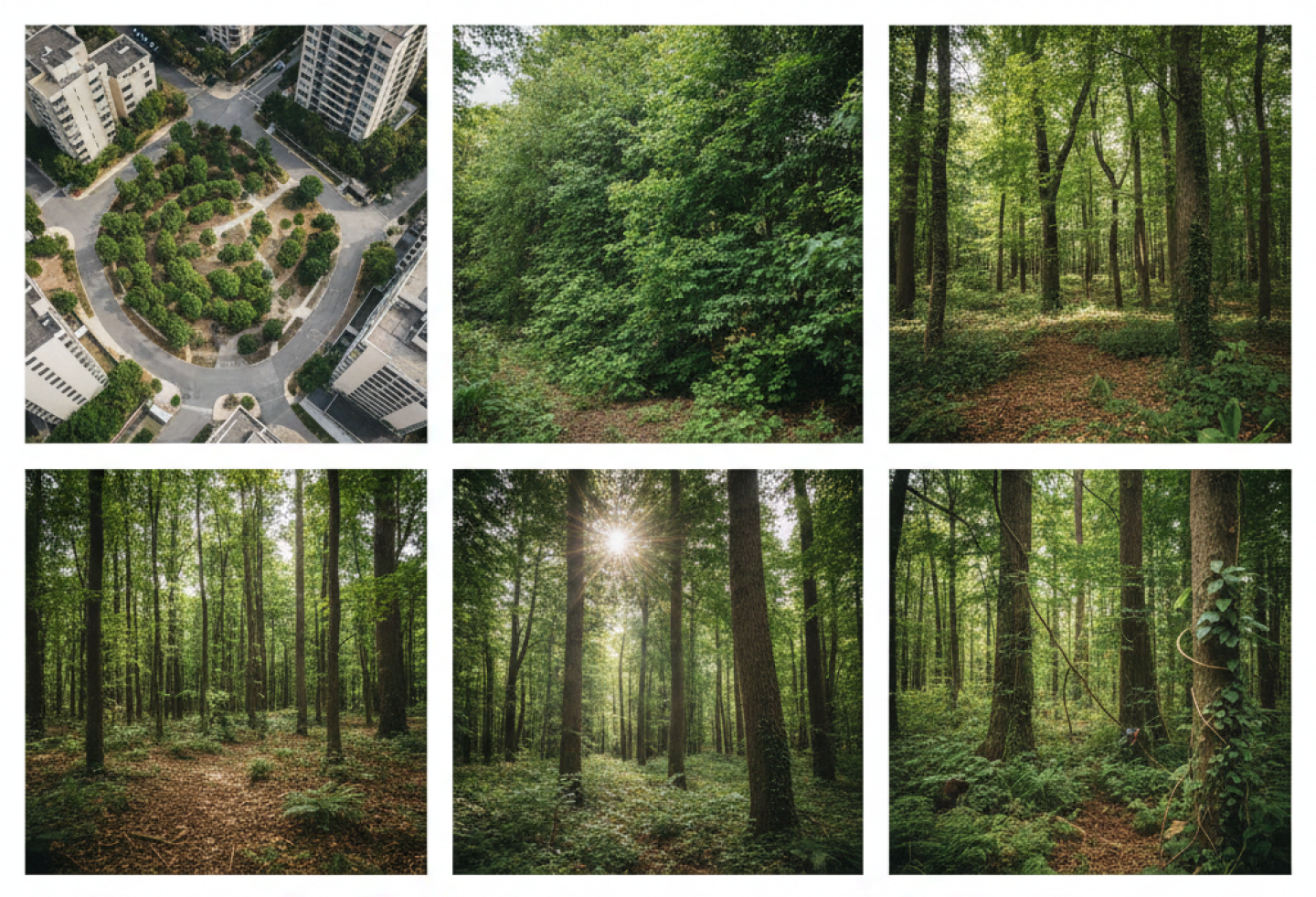
Miyawaki forests prove that you don't need a lot of space to make a massive environmental impact. Whether it’s a corner of a schoolyard or a small patch in a corporate park, these tiny forests are a powerful reminder that we can invite nature back into our daily lives.
Tags: